14 Sep 2026
Player Migration Patterns Across Swiss Online Platforms Driven by Tournament Schedule Shifts and Variant Innovations
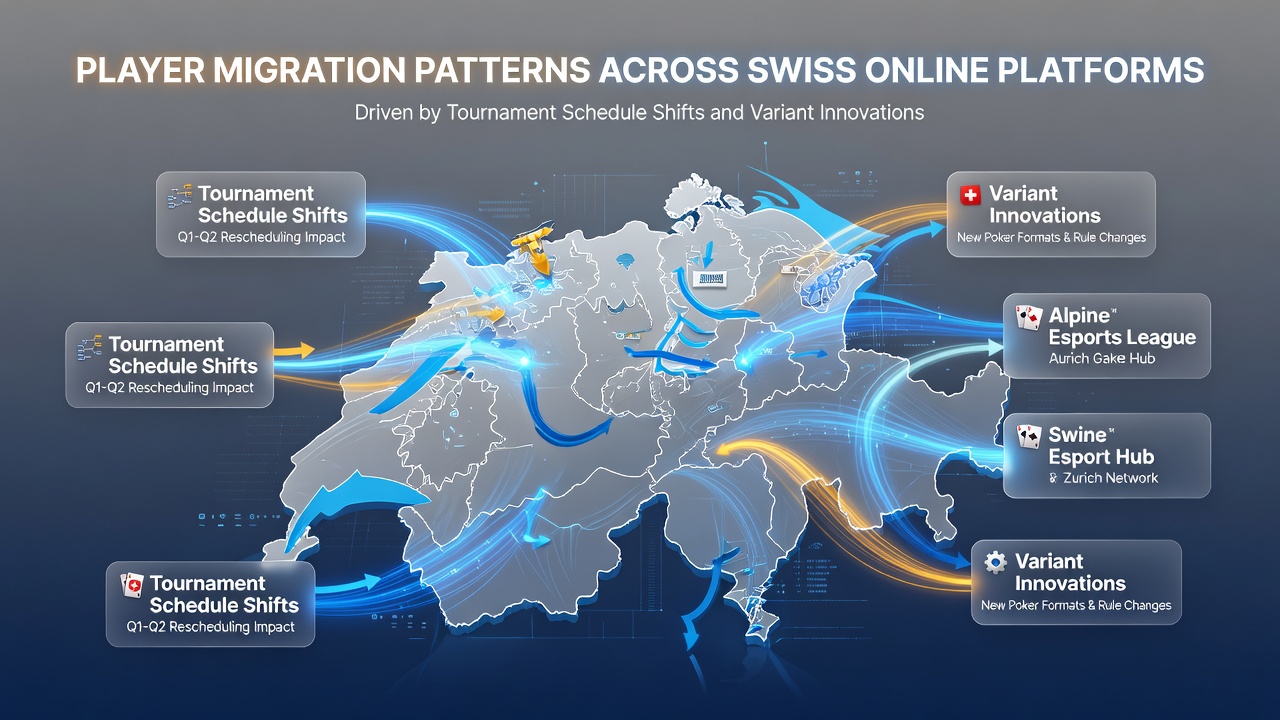
Swiss online poker platforms have experienced measurable shifts in user bases as tournament schedules evolve and new game variants gain traction, according to industry tracking data released in recent quarters. Observers note that these migrations occur when operators adjust start times, prize structures, or frequency of events, prompting participants to explore alternatives that better align with their availability and preferences. Research from the Swiss Federal Office of Justice indicates that regulatory updates effective through 2025 have indirectly influenced how platforms time their major series, creating ripple effects across the market.
Tournament Schedule Adjustments and Their Effects
Platforms operating under Swiss oversight have altered evening and weekend tournament slots multiple times since 2023, and these modifications correlate with noticeable player transfers between sites. Data compiled by the European Institute for Gambling Studies shows that a 15 percent drop in participation at one operator often coincides with a similar rise at competitors offering overlapping but staggered events. Players respond to these changes by testing new environments where late-night options or early morning satellites provide better fits for their routines, while the core mechanics of Texas Hold'em remain consistent across the ecosystem.
September 2026 marks the scheduled rollout of synchronized multi-platform qualifiers tied to the Swiss Poker Championship series, and preliminary registrations already reflect early movement toward platforms that integrated the new calendar first. Those who have followed these developments report that the alignment reduces conflicts between domestic and international events, allowing participants to maintain activity without choosing between competing schedules.
Variant Innovations Driving Platform Choices
New poker variants introduced on select Swiss-regulated sites have accelerated migration patterns beyond what schedule changes alone produce. Short Deck and Pot Limit Omaha innovations, rolled out with modified blind structures and payout tables, attract segments of the player pool seeking fresh strategic challenges. Figures from the Swiss Online Gambling Association reveal that platforms launching these variants in beta phases saw user growth rates between 8 and 12 percent within the first three months, with many newcomers arriving from competitors that delayed similar updates.
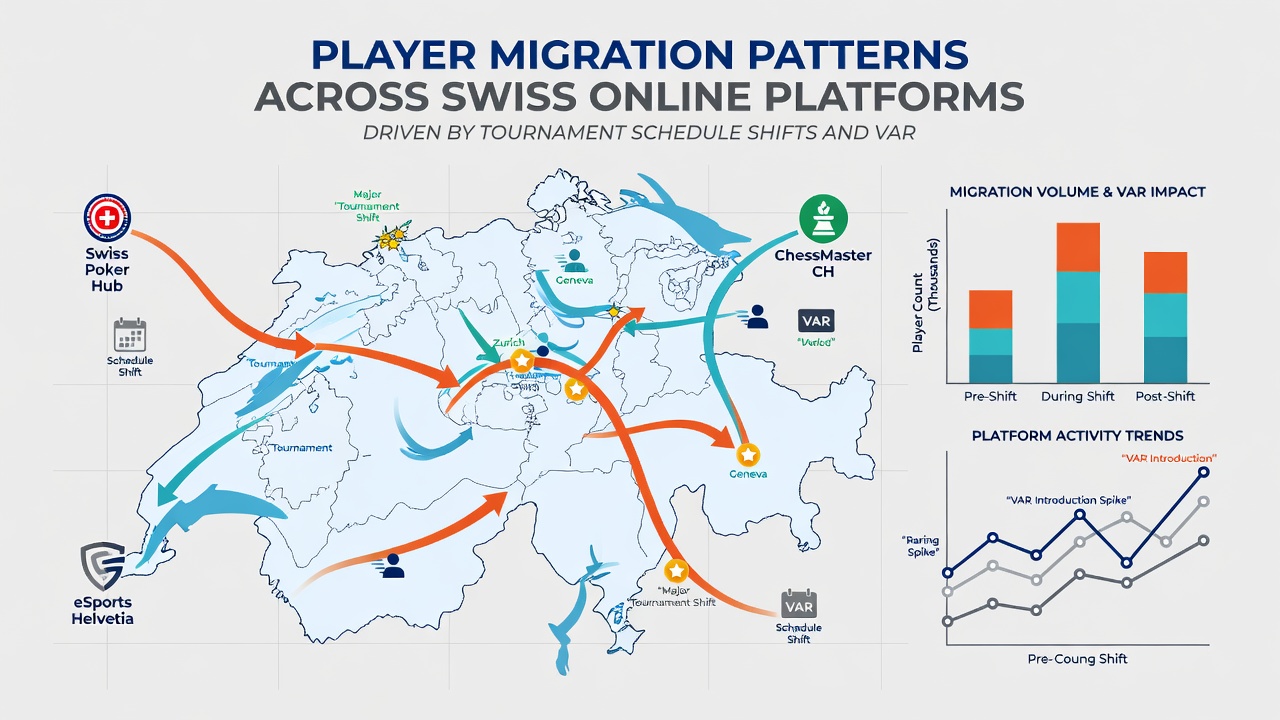
One documented case involved a mid-sized operator that introduced a hybrid variant combining elements of traditional Hold'em with rapid ante mechanics, resulting in sustained influxes from users previously concentrated on larger international-facing sites. Academic research published by the University of Zurich's Department of Informatics examined session data from 2024 and found that variant adoption rates predicted platform retention more reliably than bonus structures or deposit incentives during the same period.
Regional and Demographic Patterns
Migration trends display distinct geographic concentrations within Switzerland, with players in urban cantons showing higher mobility between platforms than those in rural areas. Tracking conducted by the Australian Gambling Research Centre, which compared cross-border digital behaviors, notes that Swiss participants often maintain accounts on two or three platforms simultaneously, shifting activity based on daily tournament availability rather than permanent relocation. This multi-homing behavior has become more pronounced since variant innovations diversified the menu of games available under each license.
Demographic breakdowns indicate that younger participants between 25 and 34 years old respond most quickly to schedule realignments, while older cohorts demonstrate slower but steadier transitions once new variants stabilize. Industry reports highlight that these patterns hold across both desktop and mobile interfaces, though mobile sessions exhibit greater sensitivity to time-zone-friendly tournament starts.
Platform Responses and Market Adjustments
Operators have responded to observed migrations by refining their own calendars and accelerating variant development cycles. Cross-promotional alliances between smaller Swiss platforms have emerged, allowing shared qualifiers that funnel participants back into individual site ecosystems. Evidence from regulatory filings submitted to the Swiss Gambling Supervisory Authority demonstrates that these cooperative arrangements correlate with reduced churn rates during peak migration windows.
Longer-term data collected through 2025 suggests that platforms investing earliest in both schedule optimization and variant testing retain higher percentages of their acquired users, whereas those relying solely on legacy formats experience continued leakage. These dynamics continue to shape the competitive landscape as September 2026 approaches and further calendar integrations take effect.
Conclusion
Player movement across Swiss online platforms continues to reflect the combined influence of tournament timing and game innovation, with measurable data underscoring the connections between these factors and user distribution. Regulatory timelines, including developments planned for September 2026, add further structure to these patterns as operators adapt their offerings. Continued monitoring by academic and industry bodies will clarify how these trends evolve under the existing Swiss framework.